Author: jburn

Important Things to Remember When Remodeling Your Basement
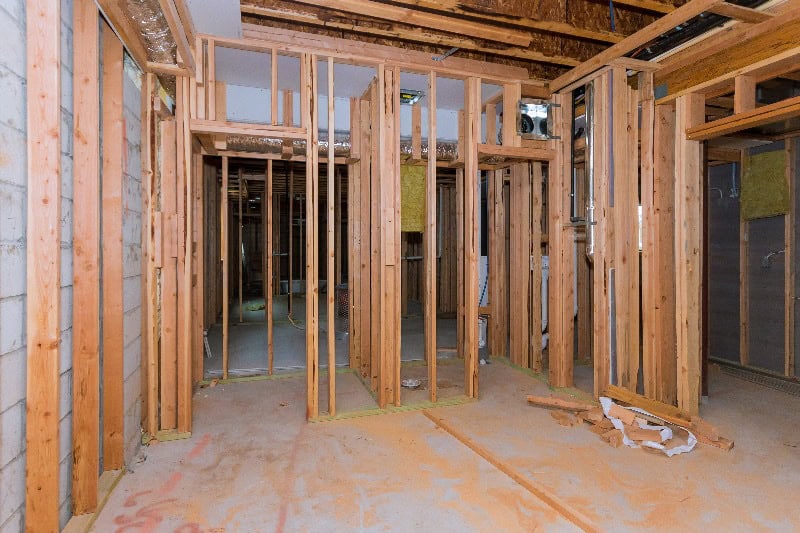
Bare stud construction in a basement

Remodeling your basement can boost the value of your home. It can also help you maximize the potential of your basement. However, there are several key considerations to keep in mind when remodeling your basement.

Know the Codes

You should check the laws in your area and determine whether there are permits that you need. You will likely need a permit if the remodeling requires any electrical work. You may also need to hire a licensed electrician to have the electrical work inspected before any work is done.

Consider the Lighting Source

Natural lighting works best in a basement. There are several ways that you can increase the natural light in the basement. For example, you can cut openings in the basement to increase the lighting. However, it is a good idea for you to talk to a professional before you create new doors and windows.

Keep the Outdoor Air Out and the Conditioned Air In

One of the most important things that you can do to control the temperature of the basement is to add insulation. Not only does insulation keep the conditioned air in and the outdoor air out, but it can also act as a sound barrier. There are different types of insulation available. However, you may want to consider using spray foam insulation.

It does a great job of preventing drafts. It can also keep allergens, bugs, and pests out of the building.

Address the Moisture Concerns

Moisture is a concern because basements are naturally damp. If moisture is not controlled, mold and mildew will build up in the basement. You can use a dehumidifier to get rid of the moisture. You will also need to make sure that your basement has good ventilation. Additionally, you can use a vapor retardant. To ensure that mold issues are dealt with completely, hire a restoration company that specializes in mold remediation.

Consider the Amount of Space That You Have

Before you do any type of renovations to your basement, you will need to consider the height of your basement. There may be certain things that you are unable to do because of the size. A professional can help you make the most of your basement.

Have An Escape Route

You need to plan for a potential emergency when you are finishing a basement. You can install egress windows in your basement. You have to make sure that the windows are large enough for you to get in and out. You can also add a fire escape to your basement.


Read More

Important Things to Consider When Choosing New Siding


House with two different types of siding

Choosing new siding for your home is a big decision. You want to make sure you select a siding type that will look good on your house and be practical and durable.

1. Style

When choosing new siding for your home, you need to make sure the siding will work well with the kind of your house style. For instance, if your house has a rustic look and feel, you should probably avoid vinyl siding and choose wood or stone instead. The exact correlation can be made between brick homes and metal siding. You want to make sure that you are choosing siding that matches the style of your house. Otherwise, it will look off and be very noticeable.

2. Consider Your Local Climate Conditions

The climate conditions in your area will affect what type of siding would be the most appropriate for your home. For instance, if you live in a very sunny and warm climate, you might want to choose aluminum siding or vinyl siding. The reason for this is that aluminum and vinyl are resistant to heat and can reflect it away from your house, which would keep your home cooler. Now, if you live in an area with snow, rain, wind, or freezing temperatures, then metal siding might be the best choice. Metal siding can stand up to all conditions and is very durable. You need to make sure that your siding matches your climate conditions; otherwise, you will end up needing to replace it quickly, and this will end up costing you a lot of money in the long run.

3. Do an Inspection

Before choosing new siding, it is best to inspect your current siding. You want to make sure that the old siding is in good condition and has no holes or cracks. If you see any holes or significant gaps in your old siding, then it would be wise to replace the entire thing instead of just repairing tiny parts of it.

4. Budget

Your budget will also play a role in what type of siding you choose for your home. For instance, if you have a lot of money to spend on new siding, you can get pretty much any kind you would like. However, if you are on a tight budget and your funds are limited, you have to consider all of your other options before settling on a final decision. To save money, you might want to do the installation yourself or hire a contractor who does not charge as much as others do.

5. Maintenance

Finally, siding is notorious for requiring a lot of maintenance. The more care your siding needs, the more often you will have to get it repaired or replaced, which can cost you a lot of money. You want to choose siding that requires the least amount of maintenance possible. For instance, vinyl siding is notorious for developing mold because of its dark color and inability to breathe well. If you decide to go with vinyl siding, frequent power washing is recommended to prevent any mold from developing. This is an essential factor to consider when choosing new siding for your home.

Conclusion

Choosing the right siding for your house can be very difficult, especially if you budget. Luckily, there are many different types of siding, so you should not have any trouble finding something that matches your style and is affordable for you. If you are still having trouble choosing between different types of siding, you might want to get in touch with a local contractor who can help you decide between the different styles and brands of siding.


Read More

What Is the Difference Between Landscaping and Hardscaping?

When planning your outdoor space, understanding the difference between landscaping and hardscaping is key to creating a balanced and functional design. While these terms are often used interchangeably, they refer to distinct elements of outdoor design that work together to enhance your property.

Landscaping: The Living Elements
Landscaping refers to the natural, living components of an outdoor area. This includes grass, flowers, shrubs, trees, and any other plant life that adds beauty and life to your yard. Landscaping focuses on elements that grow and change with the seasons, requiring regular maintenance to thrive.

Key aspects of landscaping include:

Plant Selection: Choosing plants suited to your climate, soil, and aesthetic goals.
Lawn Care: Regular mowing, fertilizing, and aerating to keep your grass healthy.
Seasonal Maintenance: Tasks like pruning, mulching, and planting to keep your yard vibrant year-round.
Landscaping not only boosts curb appeal but also improves air quality, reduces heat in urban areas, and provides a habitat for wildlife.

Hardscaping: The Non-Living Elements
Hardscaping encompasses the solid, non-living components of an outdoor space. These are the structures and materials that provide form, function, and durability. Examples of hardscaping include patios, walkways, retaining walls, fire pits, and water features.

Key features of hardscaping include:

Materials: Options like stone, concrete, brick, and wood are chosen for durability and design appeal.
Functionality: Hardscaping structures are designed to enhance usability, such as pathways for accessibility or walls to prevent soil erosion.
Low Maintenance: Unlike landscaping, hardscaping requires little ongoing care, making it a long-lasting solution for outdoor spaces.
Hardscaping forms the foundation of your outdoor design, creating defined spaces and supporting the softer elements of landscaping.

Brick pavers arranged in a curving pattern.

How Landscaping and Hardscaping Work Together
A well-designed outdoor space balances landscaping and hardscaping to create harmony and functionality. For example, a patio (hardscaping) surrounded by flower beds and shrubs (landscaping) combines structure with natural beauty. Retaining walls can support sloped garden areas, while pathways guide visitors through landscaped spaces.

When planning your yard, consider how these elements interact. A professional designer can help you determine the right mix of softscaping and hardscaping to suit your space, budget, and lifestyle.

Understanding the difference between landscaping and hardscaping allows you to make informed decisions about your outdoor projects. Whether you’re building a backyard retreat or enhancing your home’s curb appeal, balancing these elements ensures a space that is both functional and visually appealing.

Read More

4 Considerations When Hiring a Bathroom Remodeler

Embarking on a bathroom remodel is an exciting venture that can significantly enhance the comfort and value of your home. However, finding the right professional to bring your vision to life is crucial. Here are four essential considerations to keep in mind when hiring a bathroom remodeler.
Under construction new bathtub remodeling a home bathroom, plumbing pipe for new sinks

1. Experience and Expertise

The first step in choosing the right bathroom remodeler is to look at their experience and expertise. A seasoned professional will have a portfolio of past projects that showcase their skills and style. Ask for references and take the time to contact previous clients to get a sense of their satisfaction with the work done. An experienced remodeler will also be well-versed in dealing with unexpected challenges during the renovation process, ensuring your project stays on track.

When evaluating expertise, consider whether the remodeler specializes in bathroom projects or if it’s just one of many services they offer. Specialists are often more up-to-date with the latest trends, materials, and techniques in bathroom remodeling, providing a higher quality result.

2. Licensing and Insurance

Ensure that the remodeler you hire is properly licensed and insured. Licensing requirements vary by state, so check what is needed in your area and verify that the contractor meets these requirements. A licensed remodeler has met specific standards and is more likely to provide reliable service.

Insurance is equally important. It protects you from liability in case of accidents or damages during the remodeling process. Ask for proof of both general liability insurance and workers’ compensation insurance. This step safeguards your property and provides peace of mind throughout the renovation.

3. Clear Communication

Effective communication is key to a successful remodeling project. From the initial consultation to the final walk-through, your remodeler should be able to clearly explain the process, timelines, and any potential challenges. Pay attention to how responsive they are to your inquiries and how well they listen to your needs and preferences.

A good remodeler will provide a detailed written estimate, including costs for labor, materials, and any other expenses. They should also be willing to discuss any changes to the project scope and associated costs in advance, ensuring there are no surprises down the line.

4. Reviews and Reputation

In today’s digital age, a contractor’s reputation can often be gauged through online reviews and ratings. Websites like Yelp, Google, and the Better Business Bureau are excellent resources for finding customer feedback. Look for patterns in the reviews – consistent praise or complaints can give you a clear picture of what to expect.

Additionally, ask the remodeler if they belong to any professional associations or have received any industry awards. Membership in organizations such as the National Association of the Remodeling Industry (NARI) indicates a commitment to professionalism and ongoing education in the field.

Conclusion

Hiring the right bathroom remodeler requires careful consideration of their experience, licensing, communication skills, and reputation. By taking the time to thoroughly vet potential contractors, you can ensure a smoother remodeling process and achieve the bathroom of your dreams. Remember, the key to a successful renovation lies in the details, and choosing a qualified professional is the first step toward a beautiful and functional new bathroom.

Visit a reputable bathroom remodeling contractor at abcmissoula.com.

Read More

6 Benefits of Having Carpeting in Your Home

6 Reasons Why You Should Carpet Your Indoor Spaces

couple with colorful socks standing on carpet, top view

Unlike several years back, homeowners today are bombarded with a wide selection of floor-covering options. One that has withstood the test of time is the carpet, yet many are uncertain of its worth over other flooring options. Although every flooring option has its merits and downsides, carpeting provides a few key advantages over other options.

1. Comfort

It’s common to feel tired and pain in your feet after standing on hard floors for some time. This is because hard floors don’t give your feet any wiggle room, so they don’t absorb the impact of your steps. However, carpets are more flexible and offer cushioning allowing you to feel comfortable when lying, sitting, or walking on them.

2. Safety

Unsurprisingly, hard floors can be very slippery, and falling on them is never pleasant. Carpet not only reduces the severity of falls by cushioning the impact, which is especially useful in children’s bedrooms and on stairways, but it also reduces the likelihood of falls occurring in the first place.

3. Affordability

The price of installing a hard floor can vary depending on many different factors. Regardless, carpets have always been considered more cost-effective. This is because you might need to prepare certain floors before installing hard surface floorings like solid hardwood or vinyl floors. The subfloor must also meet certain specifications, or the existing floor must be coated. With carpeting, however, you can bypass all these procedures since it can be laid over a wider range of subfloors with fewer constraints.

4. Improve Indoor Air Quality

Common home allergens like dust, pollen, and animal and insect dander all fall to the ground due to gravity. Carpeting acts as a filter by capturing dust and other airborne contaminants and preventing them from recirculating in the living space. Regularly vacuuming and cleaning your carpet ensures you get rid of these contaminants.

5. Warmth

Carpets are far more effective at preventing heat loss than other types of flooring. Their ability to reduce heat loss may translate into financial savings for utilities like electricity and gas used for heating your home. This might result in significant annual savings for places with harsh winters.

6. Carpeting Enhances the Room’s Appeal

Carpets come in a wide variety of colors, patterns, and textures, making them suitable for any setting. Depending on your tastes, you can use them as either a subtle backdrop or a show-stopping centerpiece. Since there are literally thousands of carpet designs and colors available, your options are almost limitless.

ATR012424


Read More